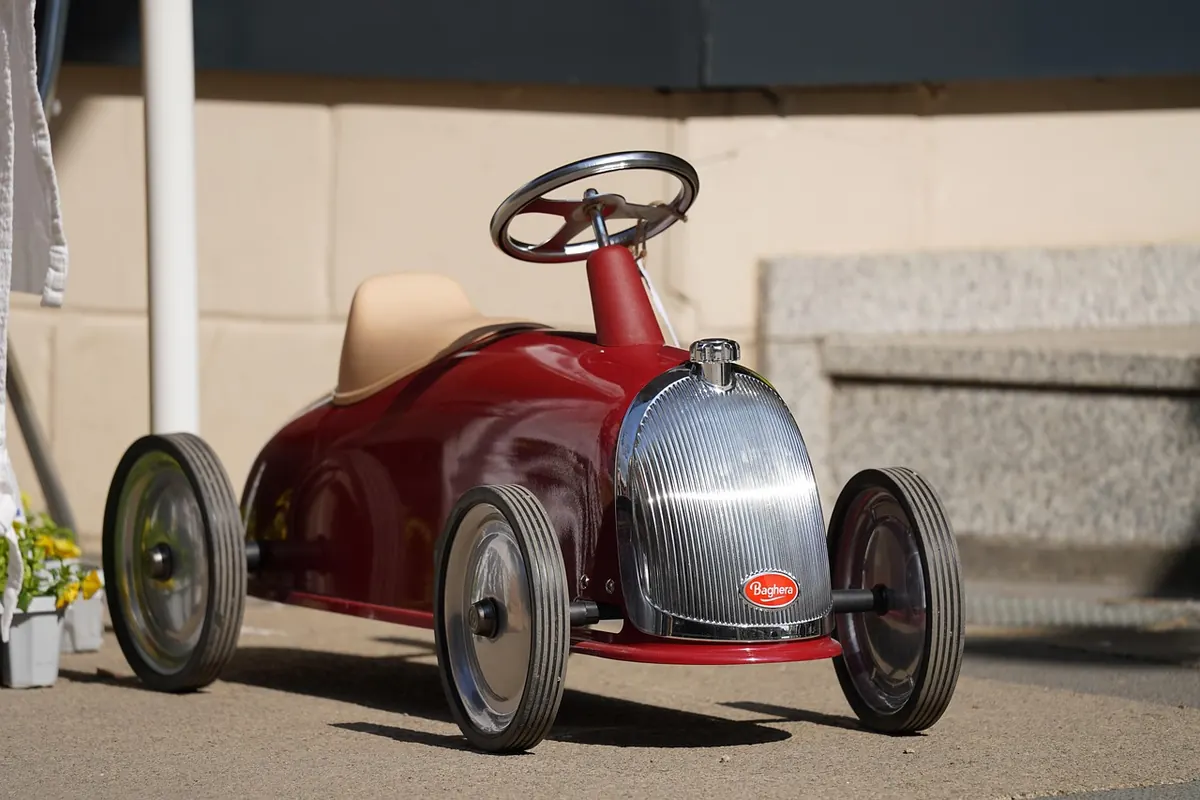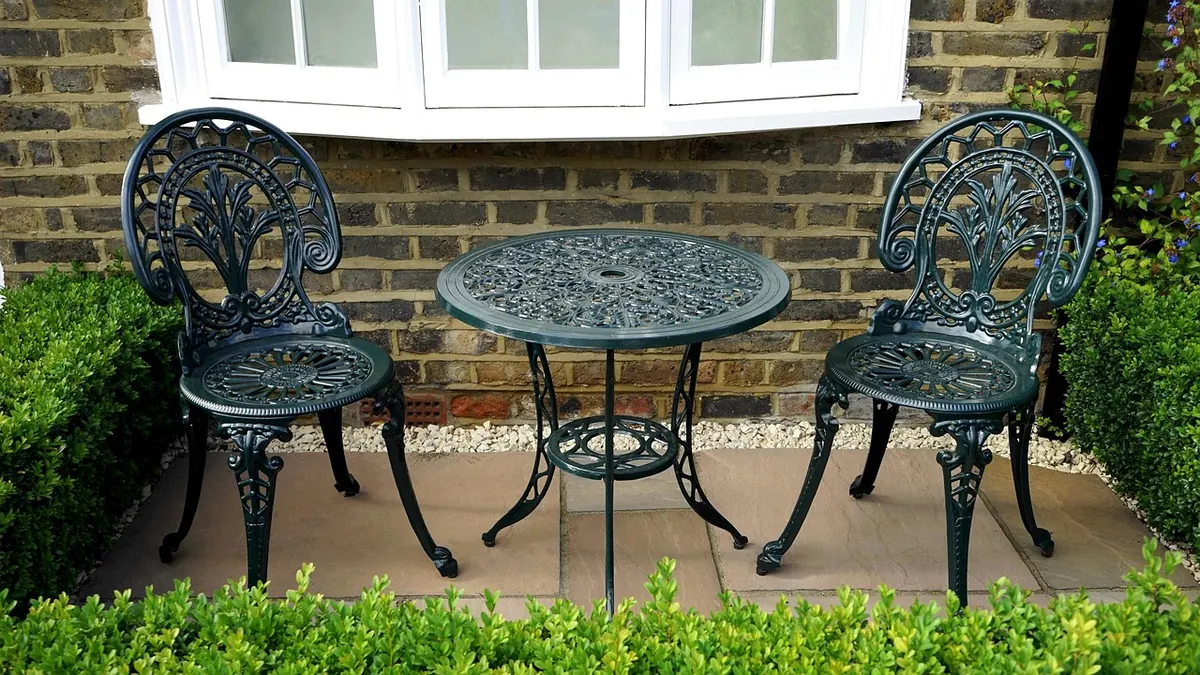
Wind only becomes a problem when it has something to pick up. A wheelie bin, an open parasol and an unanchored trampoline all look harmless on a still afternoon, but give them a gust and they will travel — over fences, across roads, into greenhouses and parked cars. The good news is that most of the work takes about twenty minutes, and it can be done in daylight, in a coat, before the first squall arrives.
Work from the outside in. Anything light, anything with a flat face to catch air, anything on wheels, and anything already loose deserves attention. Garden furniture, bins and trampolines come first. They are the items most likely to move, and the ones that do the most damage when they do.
Check the forecast properly. A weather warning tells you roughly when the strongest gusts are due and how long they will last, which is far more useful than knowing it will be "windy".
Then step outside and look at your own garden with a cold eye. Wind behaves oddly around buildings: it funnels down side passages, squeezes through gaps between fence panels and curls around corners. Where it accelerates, things move first. Group what you find into rough categories:
Deal with the small stuff first. A box or a trug filled with loose odds and ends and carried indoors removes half the projectiles in one trip.
Most garden furniture is made to be light, which is the wrong quality in a gale. Decide what genuinely goes away and what stays out, and be honest about which pieces you can anchor properly.
Glass-topped tables need their own plan. Lift the top off and lie it flat on the ground with something soft beneath it, rather than leaving it upright to be tipped over. Parasols should be taken indoors or laid flat and weighted — even a folded parasol standing in its base can be lifted clear of the ground.
A wheelie bin is the classic garden missile: light when empty, awkward to stop once it is rolling, and a genuine hazard if it reaches a road. If you have space, wheel it into a garage or shed, or through a side gate and up against the house on the sheltered side.
If it has to stay outside, sit it on its side with the lid shut, tucked against a wall, and group it with any others. A row of bins huddled together is far more stable than one standing alone in the open. Better still, use a purpose-made bin tether or a chain and padlock fixed to a wall anchor. A brick on the lid is a token gesture at best.
Recycling boxes, food caddies and garden waste bags are just as keen to leave. Nest boxes inside each other, weight the top one, or bring the lot in. On collection day, put bins out as late as you reasonably can and bring them back in promptly — an empty bin left on the pavement through an afternoon of gusts is an accident waiting to happen.
A trampoline combines a large, flat, air-catching surface with a light frame, which is why so many end up in neighbouring gardens, on sheds or in the road. If you can dismantle it and store the mat and frame flat indoors, that is the safest option by a distance. If you cannot, secure it properly.
Ordinary tent pegs pushed into soft ground will pull straight out. Use a proper trampoline anchor kit with stakes that screw or drive deep into the soil and attach at the leg joints, or weight each leg with sandbags. Anchor the frame, never the mat. A useful alternative is to turn the trampoline upside down so the mat faces the ground, then weight or strap the frame. Turning it on its side and lashing the frame to a wall or fence with ratchet straps also works, provided the straps are tight and the frame is weighted.
Before any of that, take off the safety net, the net poles and the padded cover. They catch a surprising amount of wind on their own, and a flapping net can lift a frame that would otherwise stay put.
Once the big three are sorted, sweep the rest: hanging baskets, bird feeders, solar lights, watering cans, footballs, toy slides, rotary dryers, log baskets and empty plant pots. Spin a rotary dryer and pin it, or take it down. Wheelbarrows and barbecues should be turned over or moved under cover, and any gas bottle kept upright and in a well-ventilated spot — never inside the house. Follow the manufacturer's guidance for gas storage if you are unsure.
Then look up at the building. Latch gates so they cannot swing and tear off their hinges, close and bolt shed and garage doors, and shut windows and trickle vents. A gate banging all night loosens its posts; a shed door left open can be lifted off its frame entirely.
Once the gusts are strong, stay inside. Chasing a bin down the drive or rescuing a chair from the lawn puts you in the path of falling branches, flying panels and loose debris, and the risk is not worth the item. Wait for the wind to ease.
When it does, walk the boundary before you put anything back. Check fence posts, gate hinges, shed roofs and any tiles or flashing you can see safely from the ground. Photograph anything damaged for an insurance claim, and leave ladders and repairs until the wind has properly dropped. If something has escaped your garden and caused damage, speak to your insurer rather than trying to settle it informally.
When a warning lands, this is the order that saves the most time:
Twenty minutes now saves an hour of clearing up later, and it saves your neighbour's greenhouse too. They will remember that.
Photo: VariousPhotography / Pixabay
Wind speeds appear as mph, km/h, knots and the Beaufort scale. Here's how to convert between them quickly and judge...
Gusts can hit without warning. Here's how walkers, cyclists and commuters should react in the first minute of a...

Wind forecasts give an average speed and a peak gust. Knowing which one to plan around — and reading the gap between...

Your guide to gales, wind, and weather.