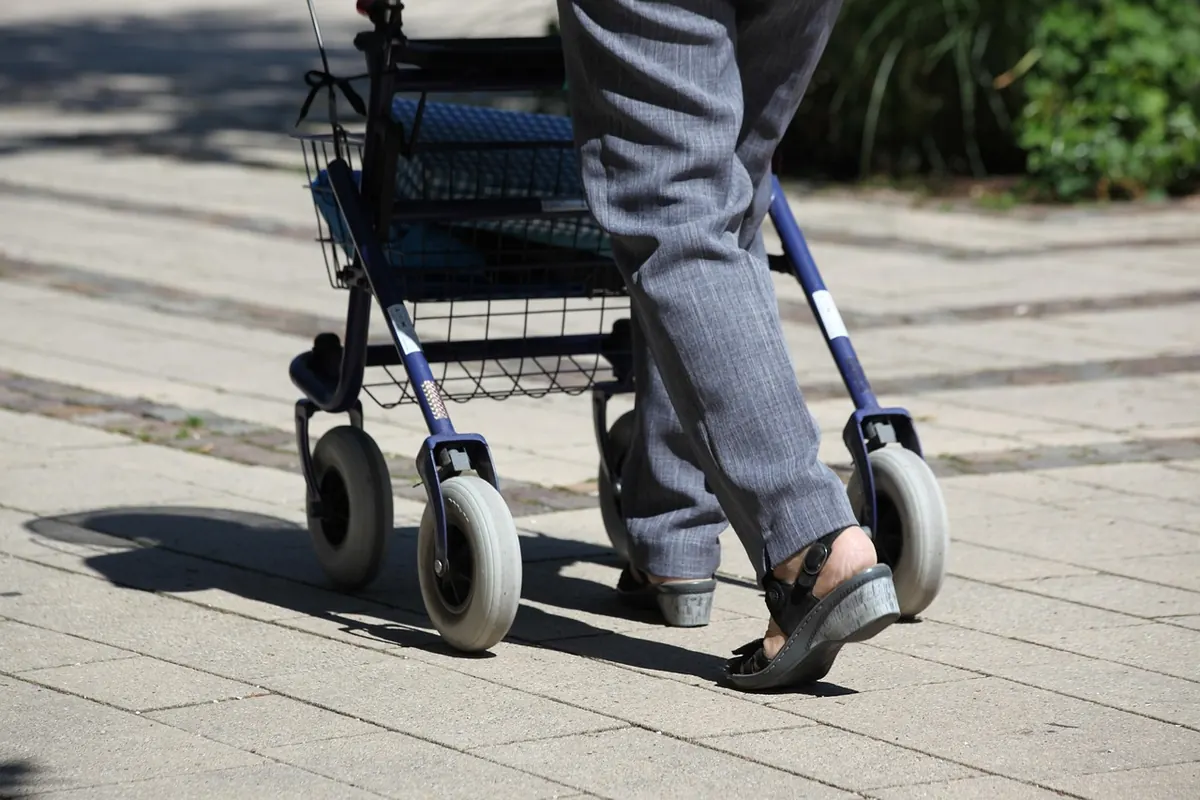
The gust arrives without ceremony. One moment you're walking the coast path, pedalling home along a ring road, or crossing a footbridge on the way to the station, and the next the wind has stopped being weather and started being force. Fences rattle, a road sign flexes, and something cracks somewhere off to your left. In a true gale — the Beaufort scale puts that at roughly 39 to 46 miles per hour — you have far less control than you think. The next sixty seconds are about not becoming part of the debris.
Stopping is a decision, and it is often the best one available. Cyclists should slow and dismount before a gust makes the choice for them. Walkers should plant their feet, widen their stance slightly and turn their back to the wind rather than leaning into it and shuffling on. Then scan before you move anywhere:
Work out which direction the wind is coming from. If it is at your back, walking is easier, but anything loose is now travelling the same way you are. Keep your head up rather than hunched down into your hood — your hearing and peripheral vision are doing real work here.
Wind accelerates through gaps. A manageable breeze on open ground can become a shove in a place where the air is squeezed. The usual culprits are the gaps between tall buildings, underpasses, the space beneath a bridge, a road running between high walls, and the exposed lips of seafronts and bridges. City walkers should also watch the corners of tower blocks, where gusts swirl and change direction without warning.
If you can see a funnel ahead, don't walk through it casually. Wait for a lull, then move quickly and deliberately, keeping to the middle of a pavement rather than the kerb edge. Avoid the instinct to take shelter in the nearest gap in a wall or between two buildings — that gap is often the windiest spot for fifty metres.
Most gale injuries happen because of what the wind throws rather than the wind itself, and trees are the main supplier. Treat every large tree as suspect in a gale: dead wood, weak forks and shallow roots do not announce themselves. Broadleaf trees still in leaf catch a lot of wind, and conifers can be uprooted whole. A line of trees is safer than a lone one, because a lone tree takes the full force and has no neighbours to break it. Never shelter beneath a tree, however inviting it looks, and give the whole canopy area a wide berth rather than just the trunk.
Stop, look up, and get out. Move towards the edge along the line of the wind rather than straight into it, avoid the tallest and oldest trees, and keep away from the woodland edge on the windward side, where trees fall most often. Once clear, put real distance between yourself and the canopy — a good ten to twenty metres of open ground, more if the trees are tall.
A crosswind does not just slow a cyclist down; it moves the front wheel. That is how riders end up in the path of traffic, or clipped by a car door they were nowhere near a second earlier. If the gusts are strong enough to make your front wheel twitch, or to blow you a metre sideways, get off and walk. Push the bike on the pavement, keeping it beside you rather than in front, and if the wind is genuinely violent, crouch behind a solid wall with the bike laid flat and away from the road. Avoid exposed bridges and high-level open stretches entirely where you can, and give high-sided vehicles far more room than usual — they are being pushed about too, and their drivers cannot correct as quickly as you can step aside.
Standing upright in a gale gives the wind a large surface and you a high centre of gravity. If you cannot reach shelter quickly, get low and wait it out:
If someone is injured or cold, wet and shivering badly, get them out of the wind first and call 999. Warm them slowly and keep them out of the weather while you wait.
Good shelter is solid, permanent and on the leeward side of the wind. A stone or brick building, a deep porch, a shop doorway you have permission to stand in, a station waiting room, a café, or a car with the windows up and the handbrake on, parked away from trees.
Poor shelter includes bus shelters with glass panels, garden sheds, garages, marquees and gazebos, wooden fences, sea walls and anything under a bridge. These either break up in strong wind, funnel it, or collect the debris that everything else is dropping. One more thing worth knowing: a sudden calm is often a lull between squally gusts or the passing of one squall line, not the end of the event. Wait for a genuine improvement before you set off again.
Gales rarely appear from nowhere, even when the first gust feels sudden. Check the forecast and any weather warnings before you leave, and if a red or amber wind warning covers your route, change the plan rather than test it. On the way, note where the solid buildings are — the pub, the church porch, the station — so you already know your nearest refuge. Carry a waterproof, keep your phone charged, and remember that coasts, hills and exposed bridges are always windier than the town you set off from. If you're driving, slow down, grip the wheel with both hands and expect to feel a shove as you leave the shelter of a cutting. A little planning turns a frightening sixty seconds into an inconvenience.
Photo: Filmbetrachter / Pixabay
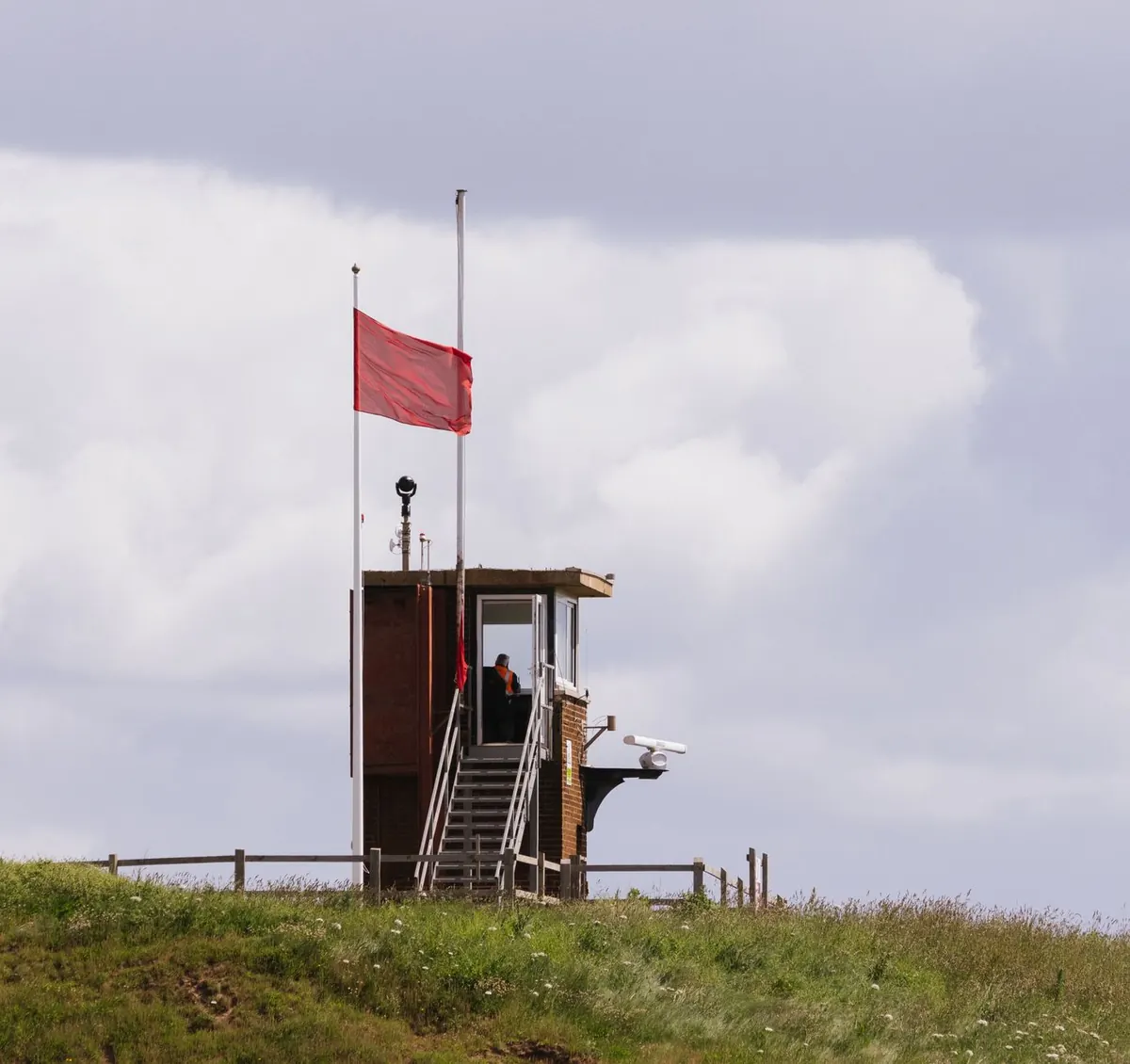
Wind speeds appear as mph, km/h, knots and the Beaufort scale. Here's how to convert between them quickly and judge...
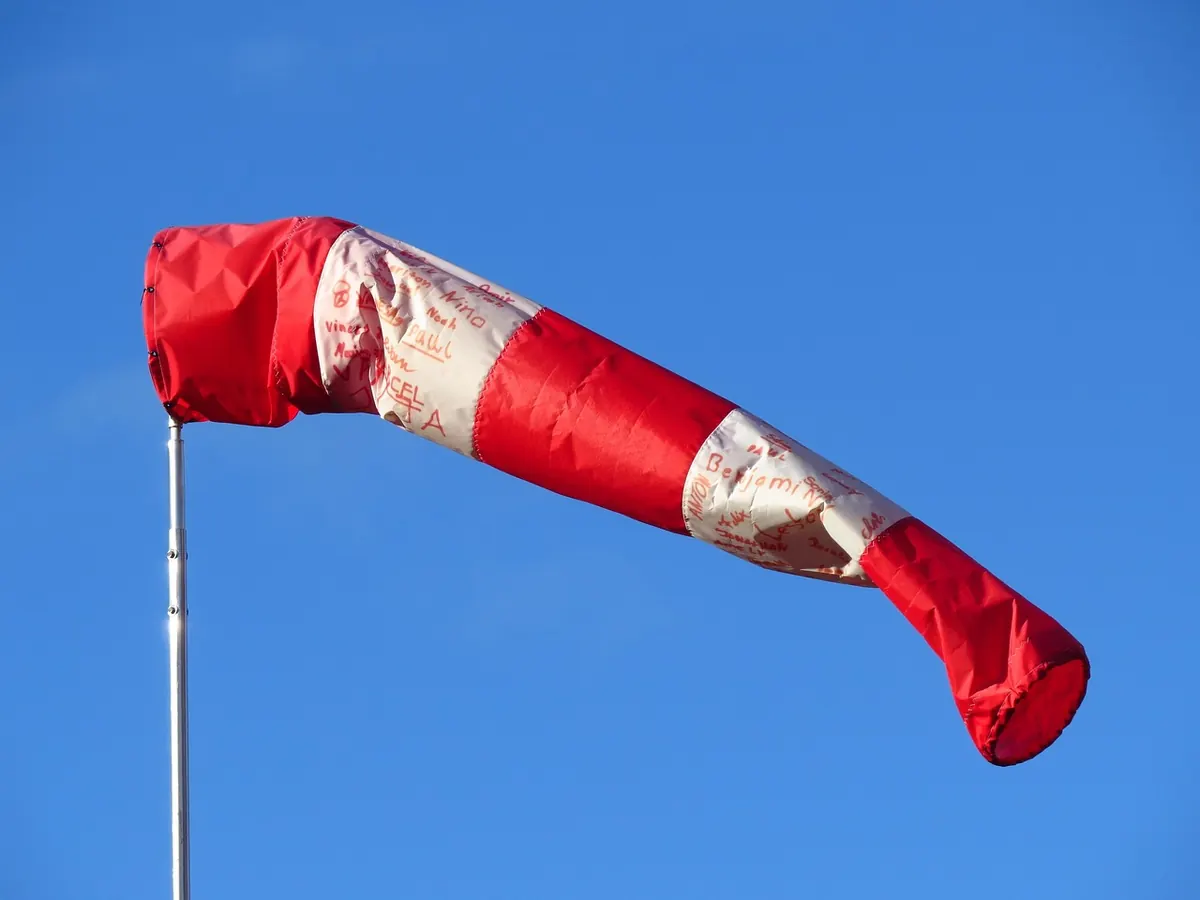
Wind forecasts give an average speed and a peak gust. Knowing which one to plan around — and reading the gap between...
Crosswinds rarely announce themselves. Practical guidance on reading exposed roads, holding your lane, and keeping...

Your guide to gales, wind, and weather.
