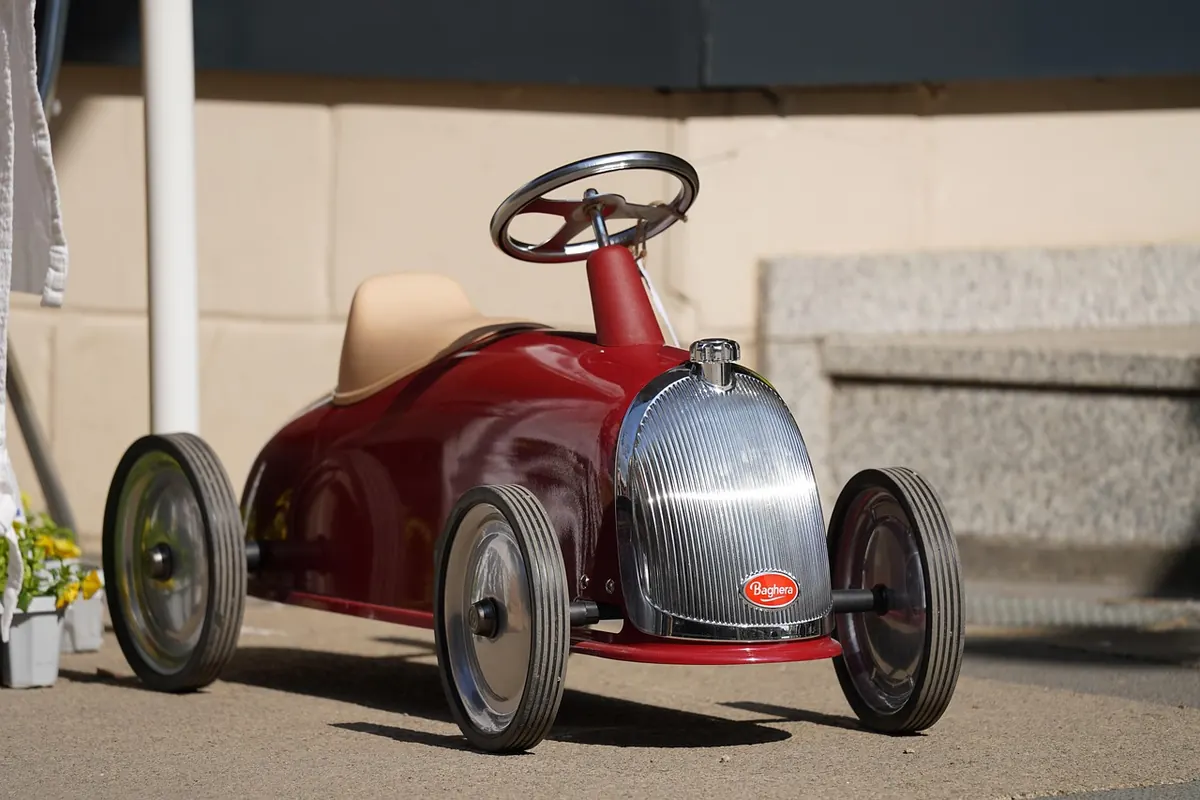
Rain announces itself. Crosswinds do not. You can be cruising comfortably along an exposed stretch of dual carriageway, everything calm inside the car, and then a gap in the hedge lines up with a gust and the whole vehicle shifts a foot sideways before you have worked out what happened. In a van, a motorhome or a car towing a caravan, that moment can turn a routine journey into a serious incident. The encouraging part is that crosswinds are fairly predictable in where they strike and manageable in how you respond to them. A bit of planning and a few changed habits make a real difference.
A steady wind is much less troublesome than a gusting one. Constant pressure lets you hold a small steering correction and get on with the drive. Trouble comes from change: sheltered, sheltered, then nothing between you and a wall of moving air.
Wind acts on the side of a vehicle rather than its front, so the taller and longer the side, the more there is to push against. A low saloon barely notices what rocks a panel van. Roof boxes, ladders and bike racks all add to that surface area above the roofline, which lifts the centre of pressure and makes the car feel looser still.
Length matters as much as height. A long vehicle pivots rather than slides, and something on a tow ball pivots in a different place again — usually with the caravan swinging the car rather than the other way round. There is also the shelter effect: pass a lorry, a bridge parapet or a line of trees and you get a pocket of calm, followed by a shove the moment you emerge from it.
Bridges and viaducts are the obvious ones, and some carry permanent signs warning high-sided vehicles. But the risk is broader than that: high embankments on motorways, coastal and moorland roads with long open runs, cuttings where a gap in the bank lines up with your path, the exit of a tunnel, and the spaces between buildings in towns where wind funnels down a street.
Motorway bridges over rivers and estuaries are worth extra care because the wind arrives across an open span with no shelter at all, and the road often narrows with no hard shoulder to escape onto. Expect a shove as you pass each supporting pier and a second one as you clear the structure.
Both hands on the wheel, firmly but not in a death grip, and eyes well down the road so you spot the gap in the hedge before it hits you. Make small, early, smooth corrections. The aim is to keep the car centred, not to wrestle every gust — a series of sharp tugs tends to leave you weaving more than the wind did.
Ease off the accelerator rather than braking hard. Reducing speed gently keeps the vehicle settled and gives you more time; stamping on the brakes mid-gust can unsettle it badly and rob you of steering feel. Keep well back from the vehicle in front, so you can see what the wind is doing ahead and leave room for a wobble. Avoid hugging the kerb or the white line — a metre of margin on both sides is worth having.
If you are being pushed around and you cannot hold a steady line, that is your signal to slow down and get off the exposed section, not to press on and hope the next mile is calmer.
High sides act like sails. An empty or lightly laden panel van is the worst combination of all: a large surface area with very little weight to hold it down, and short-wheelbase versions feel it more. If you drive one for a living, treat a windy day as a genuinely different job from a still one, with lower speeds on exposed stretches and more distance from everything around you.
If you are towing and the caravan starts to snake, ease off the accelerator smoothly, keep the wheel steady and let the speed bleed away. Do not brake hard, and do not try to steer out of the swing — that usually makes it worse. Pulling over as soon as it is safe to do so, even for ten minutes, is the sensible end to that conversation.
Some bridges and exposed routes ban or restrict high-sided vehicles, caravans and trailers in strong winds. The signs are not advisory suggestions, and a diversion is a far better outcome than a recovery.
Overtaking a lorry in gusty conditions gives you two shoves for the price of one: one as you enter its shelter, another as you leave it. Commit to the pass, keep your speed steady and complete it rather than hovering alongside. Give cyclists and motorcyclists far more room than usual — a gust can move a rider sideways by a metre or more, and they may not be able to hold their line at all. On two wheels yourself, treat every gap in a hedge, every bridge end and every passing lorry as a place where the wind will change without warning.
If you are struggling to hold your lane, stop somewhere safe: a service area, a car park or a lay-by set well back from the carriageway, and away from trees that could shed branches. Do not stop on an exposed bridge, on the carriageway, or on the hard shoulder except in a genuine emergency. Wind that has you worried will also be worrying the driver behind you.
If an amber or red warning for wind covers your route and the journey is not essential, the simplest safety measure is to stay put. Where you do have to travel, allow more time and accept that you may need to wait out a squall.
Check the forecast, think about the exposed parts of your route before you reach them, and reduce speed early rather than late. Grip the wheel with both hands, correct gently and let the gusts pass through your steering inputs instead of fighting them. Keep your distance, give riders and high-sided vehicles plenty of room, and be ready to pull off if conditions beat your ability to hold a line. Arriving ten minutes later is the whole point.
Photo: Laurencefalcetta / Pixabay
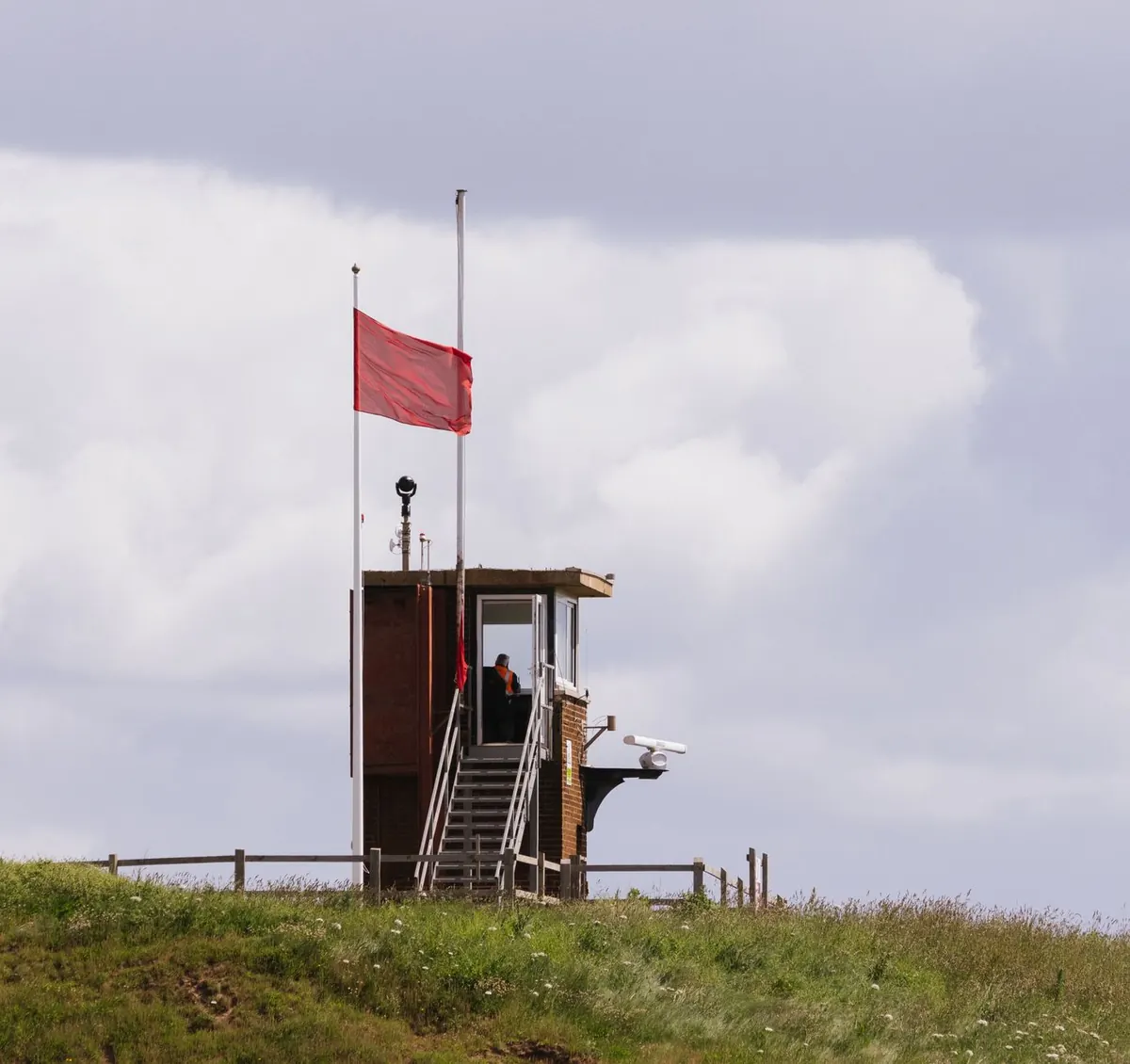
Wind speeds appear as mph, km/h, knots and the Beaufort scale. Here's how to convert between them quickly and judge...
Gusts can hit without warning. Here's how walkers, cyclists and commuters should react in the first minute of a...
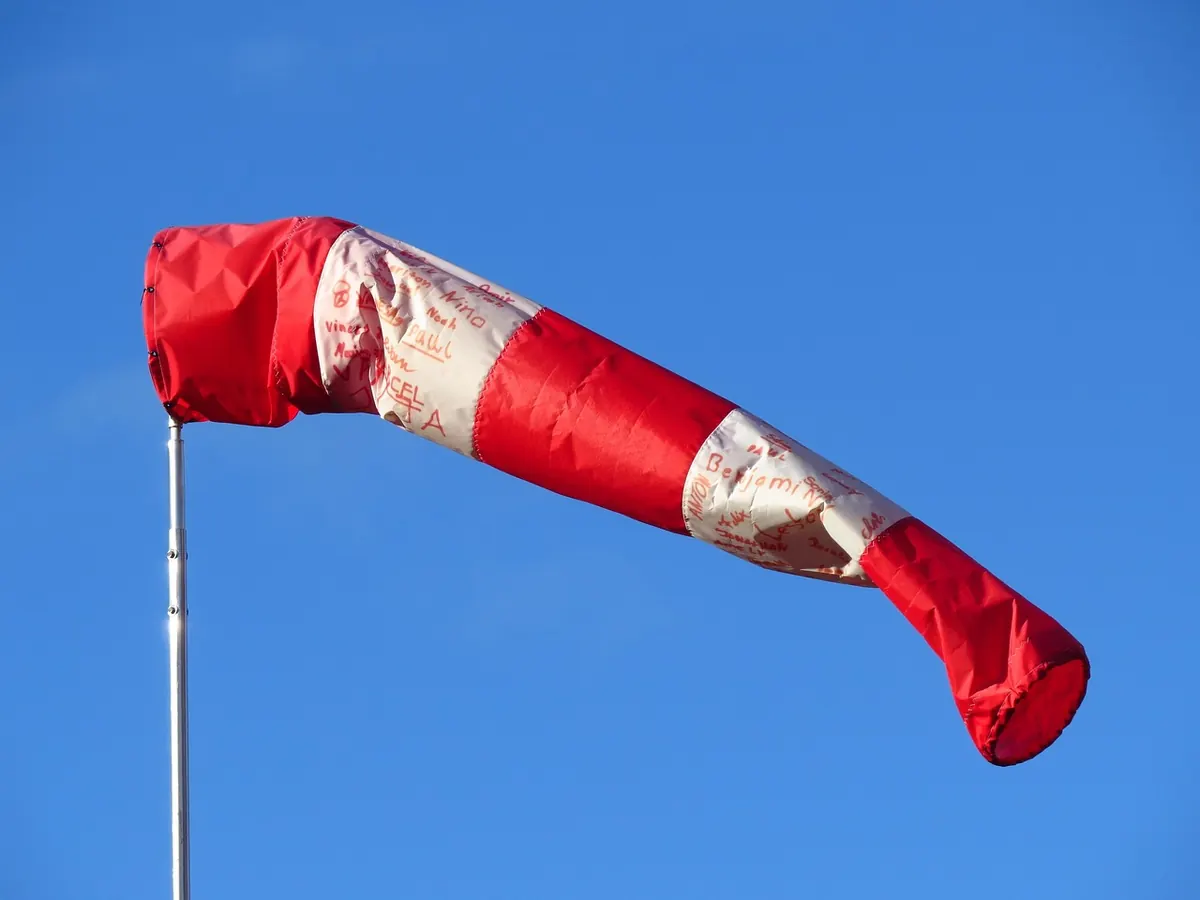
Wind forecasts give an average speed and a peak gust. Knowing which one to plan around — and reading the gap between...

Your guide to gales, wind, and weather.
